Heat Adaptation at Muthiyor Nanban Home (AUCT)
Tamil Nadu, India

The Challenge
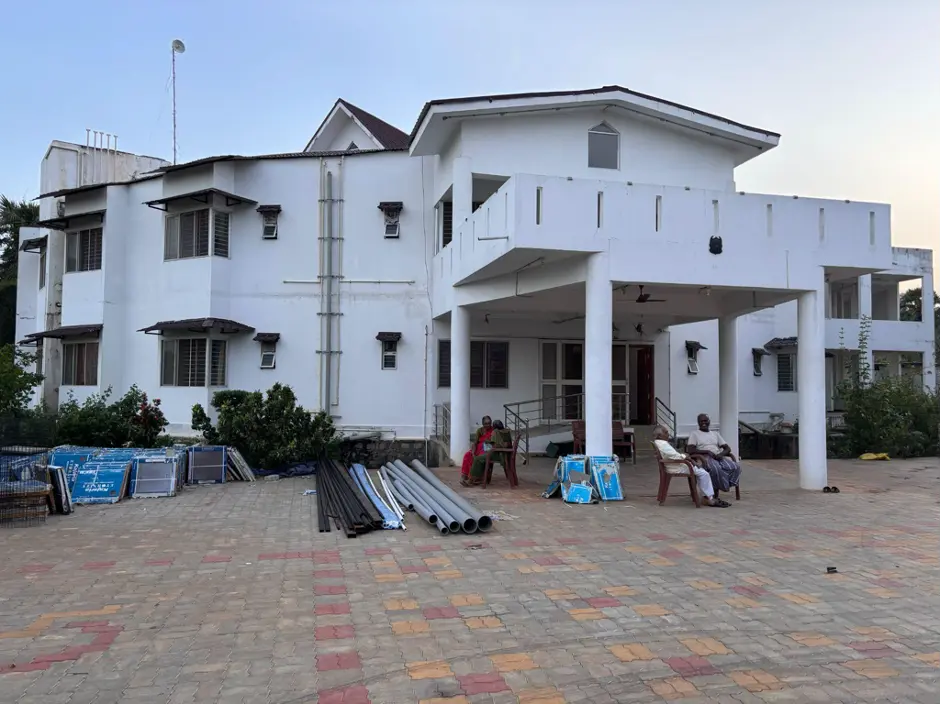
The Muthiyor Nanban Home Building Complex
By 2050: ~280 dangerous heat days/year.
Our Approach
Three-step methodology:
On-site Environmental Measurement
A two-day site visit was carried out during peak summer to establish a baseline of current conditions. The team used specialised sensors to measure heat stress, including a WBGT sensor and a heat stress sensor, along with a thermal imaging camera, to identify structural ‘hotspots’ that retained heat.
Stakeholder Engagement
Direct interviews and comfort surveys were conducted with residents, staff, and management to gather qualitative insights into the lived experiences of heat stress, flooding preparedness, and operational challenges.
Future Climate Risk Analysis
Using high-resolution climate data from CLIMADA Technologies, the team projected how heat, flooding, and rainfall patterns will intensify from 2030, 2050, and up to 2080, enabling a proactive strategy that prepares the facility for various future scenarios.
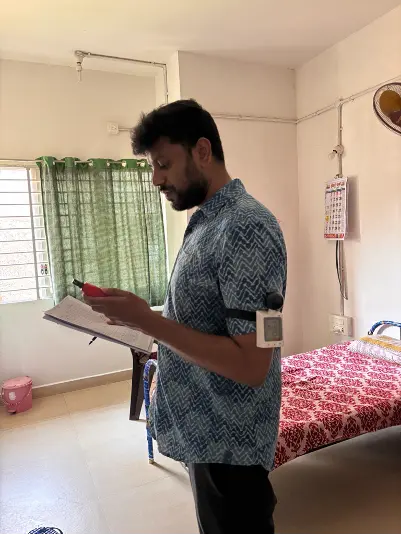
Site assessment using sensors
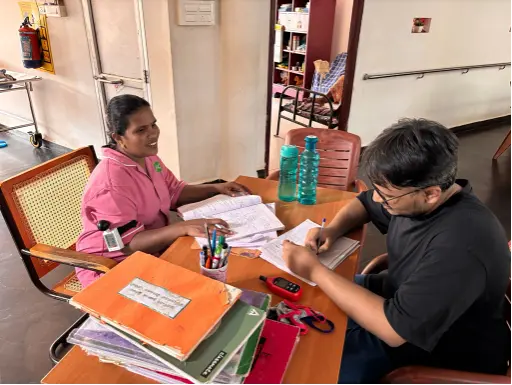
Interview With Nurse
Solutions
- •
Shift vulnerable residents to cooler rooms
- •
Upgrade fans to improve airflow
- •
Train staff on heat illness response
- •
Add mechanical cross-ventilation
- •
Pilot reflective coatings and green roofs
- •
Create a flood response plan
- •
Scale successful measures facility-wide
- •
Use digital heat alert monitors
Impact: Reduced heat exposure for high-risk residents, Facility-level readiness for future climate conditions.