Heat Adaptation at Digvijay Texfab Pvt. Ltd.
Kishangarh, Rajasthan
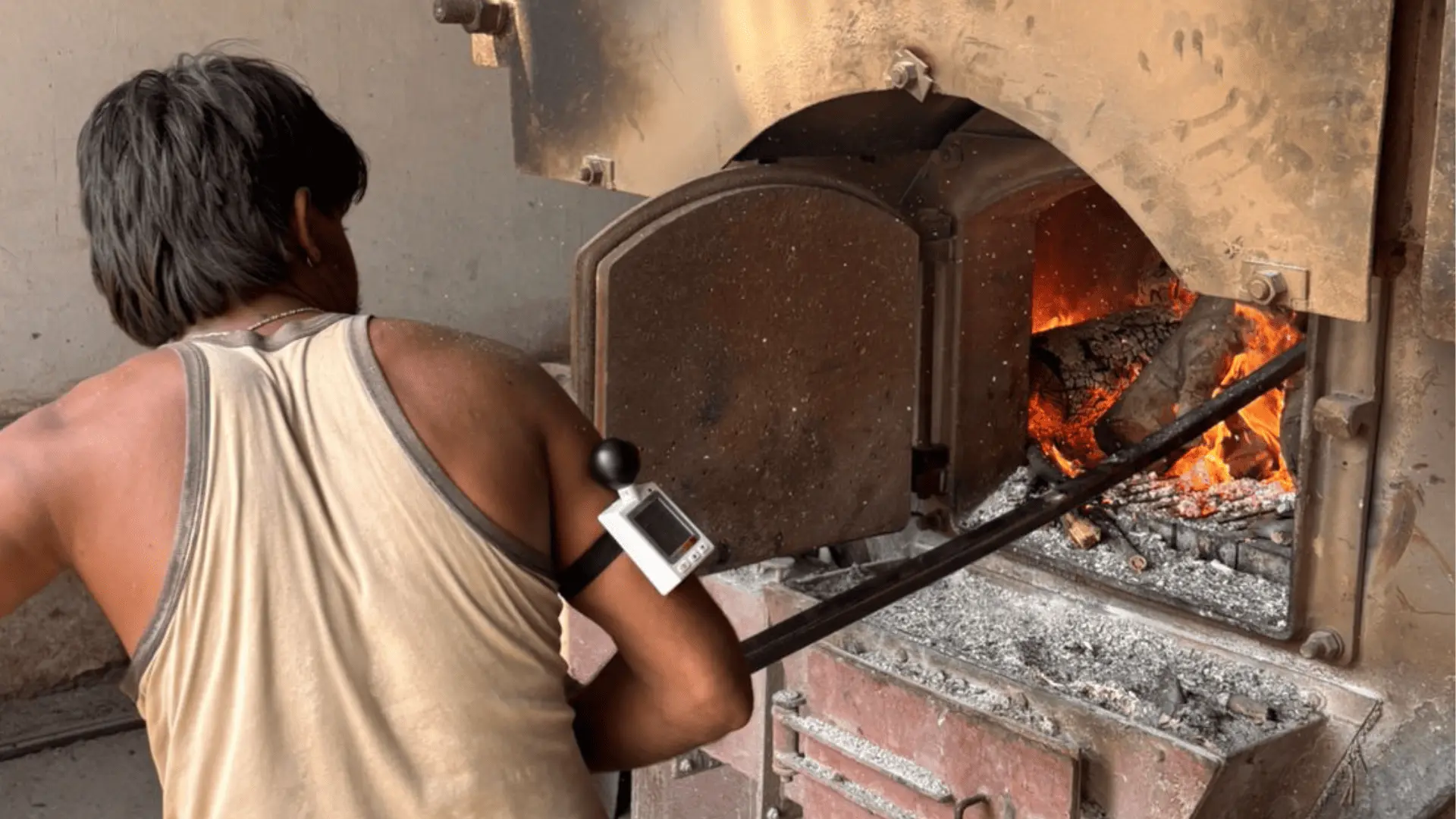
The Challenge
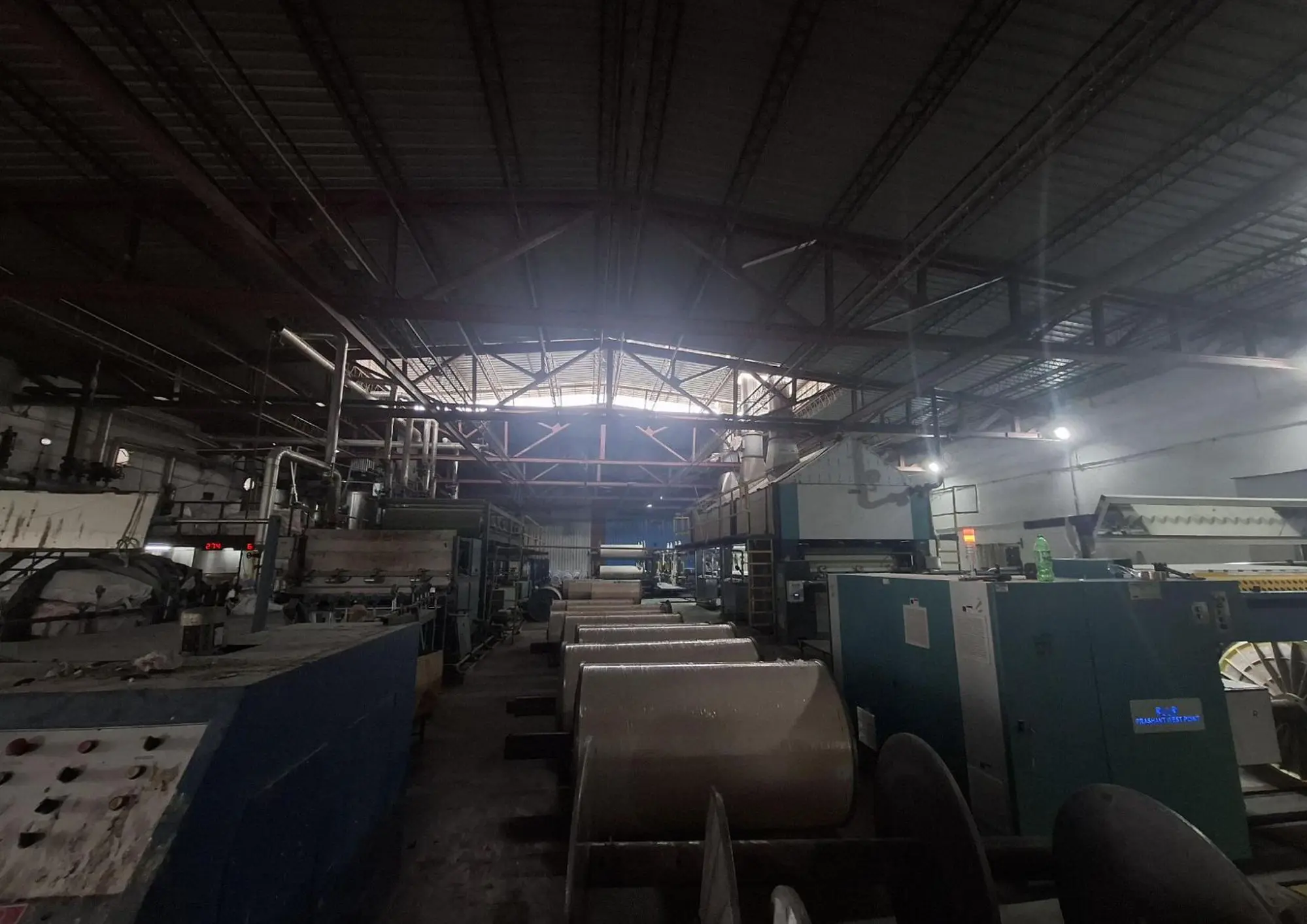
Sizing Area with minimal sunlight and ventilation
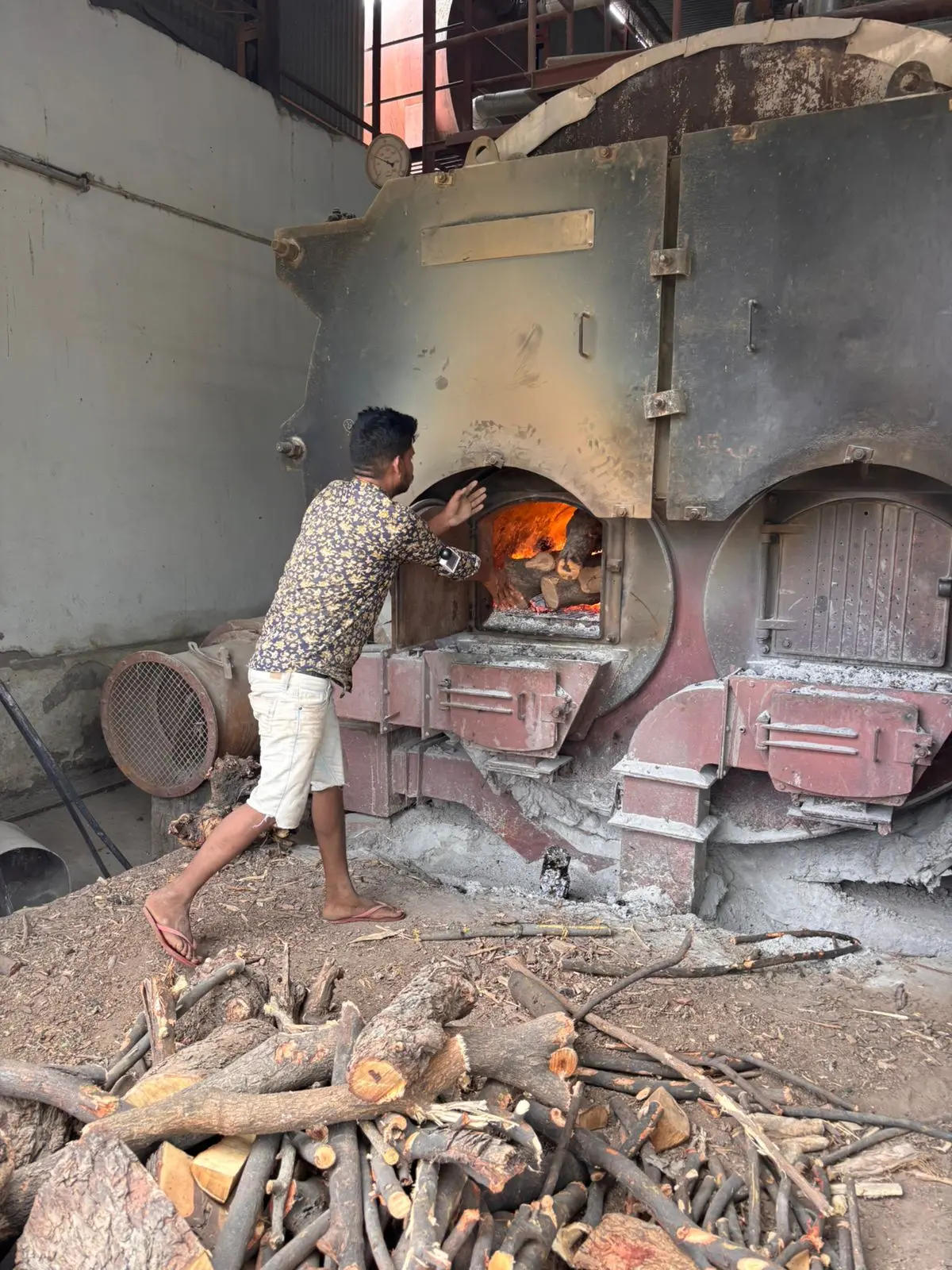
Workers exposed to high temperatures
By 2050: 143+ extreme heat days, up to 43% productivity loss, with increased retention and regulatory risks.
Our Approach
Three-step methodology:
On-site Measurements
Deploying WBGT monitors, thermal cameras across work areas to quantify real heat exposure.
Worker Engagement
Conducting structured surveys and interviews to understand the lived experiences of heat stress and its health impacts.
Climate Modelling
Using CLIMADA Technologies' projections to assess how risks will evolve under different emissions scenarios, generated using various Shared Socioeconomic Pathways.
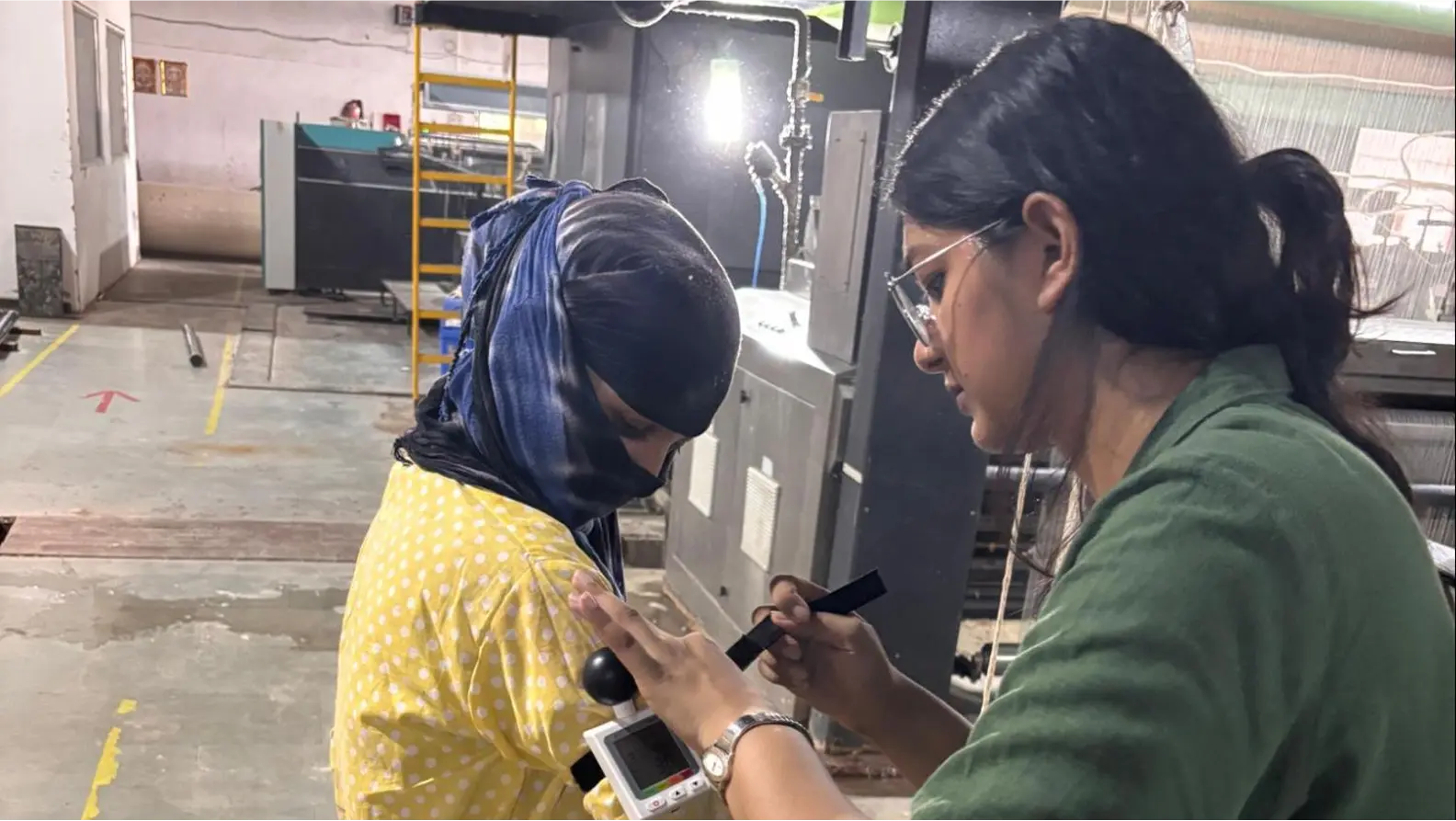
WBGT Sensor on Female Worker
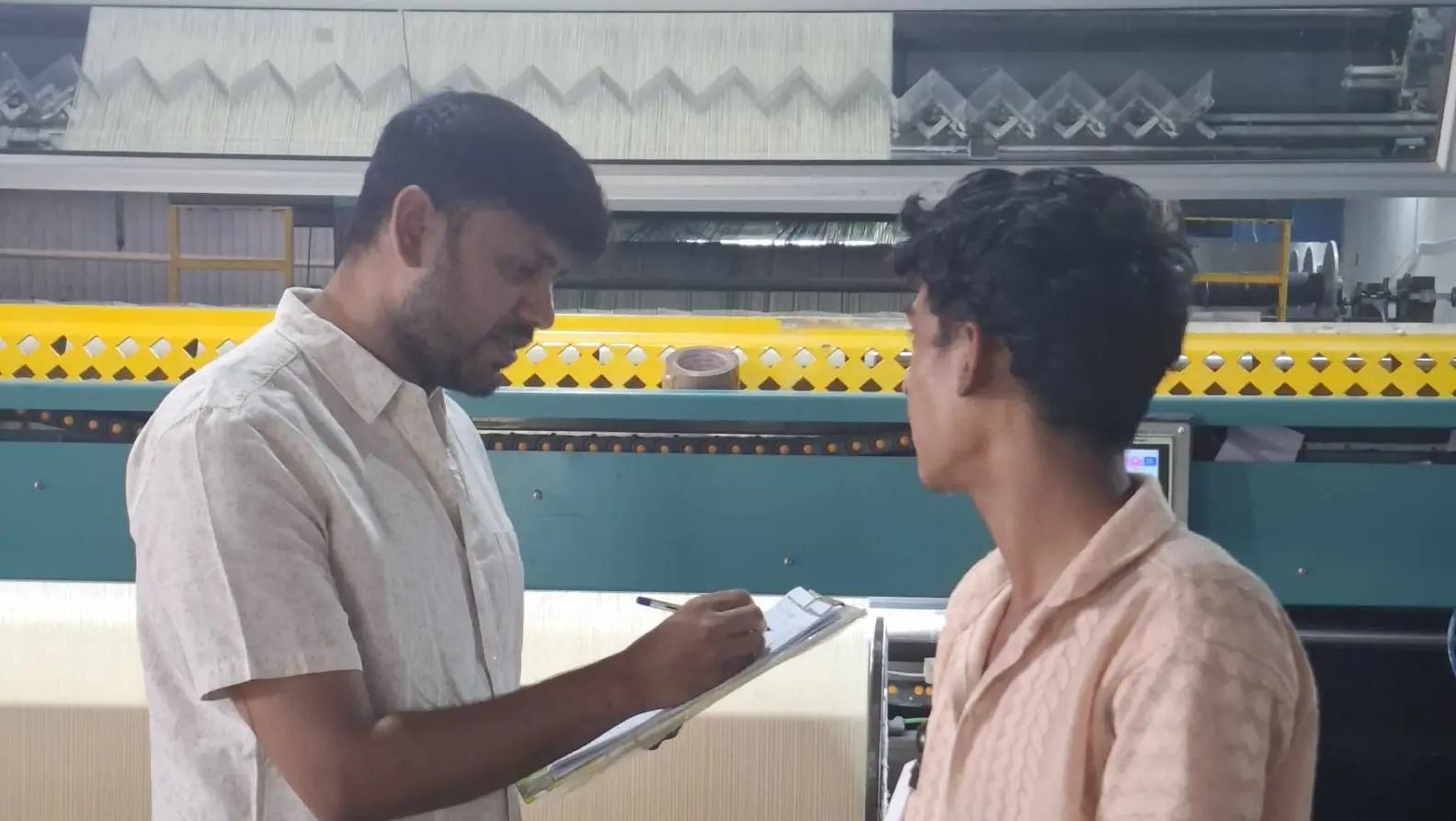
Interview with a Worker
Solutions
- •
Worker training on heat stress and hydration
- •
Use of personal cooling solutions (cooling vests)
- •
Creation of effective, cooler rest zones
- •
Insulation of high-heat machinery and pipes
- •
Waste heat recovery to reduce ambient heat
- •
Passive cooling measures (better ventilation, reflective roofing)
Impact: Reduced occupational heat stress exposure, Stabilised productivity under rising temperatures, Transition from reactive coping to planned adaptation.