Cool Roof Implementation at Muthiyor Nanban Home
Tamil Nadu, India
The Challenge
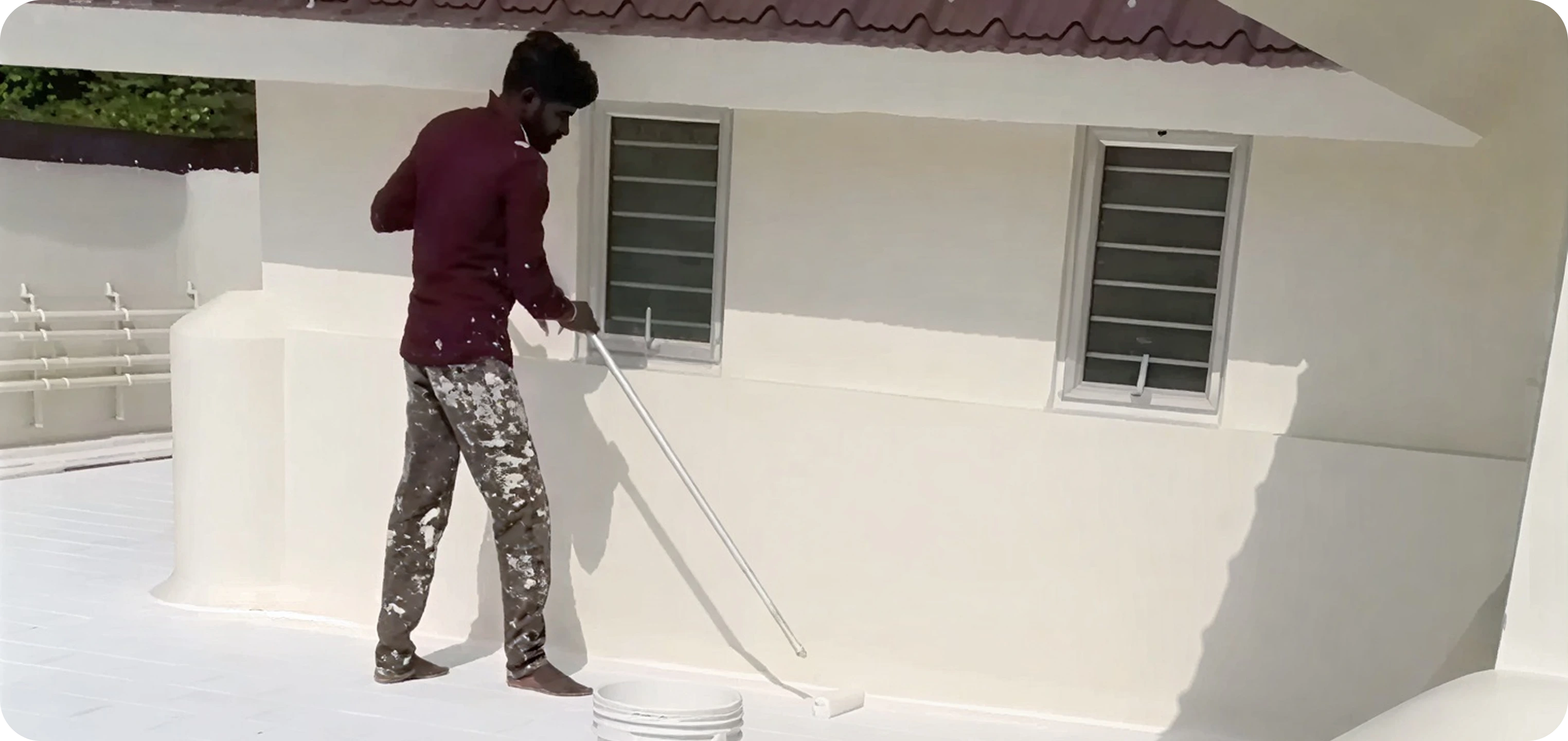
The Muthiyor Nanban Home is an elderly care facility in Onangudi, near Pudukkottai, Tamil Nadu, housing 59 residents, 42 of them are aged 80 or above, including two over 100. In a building without air conditioning, they are among the most physiologically vulnerable to sustained exposure to indoor heat. In May 2025, SL2 India conducted a climate risk assessment for the facility on behalf of the Anna Unna Charitable Trust (AUCT) and identified extreme heat as the most pressing climate risk.
Indoor temperatures continued to rise through the evening, long after outdoor conditions had cooled. This is explained by the concrete roof slab absorbing solar energy during the day and releasing it slowly into the rooms below.

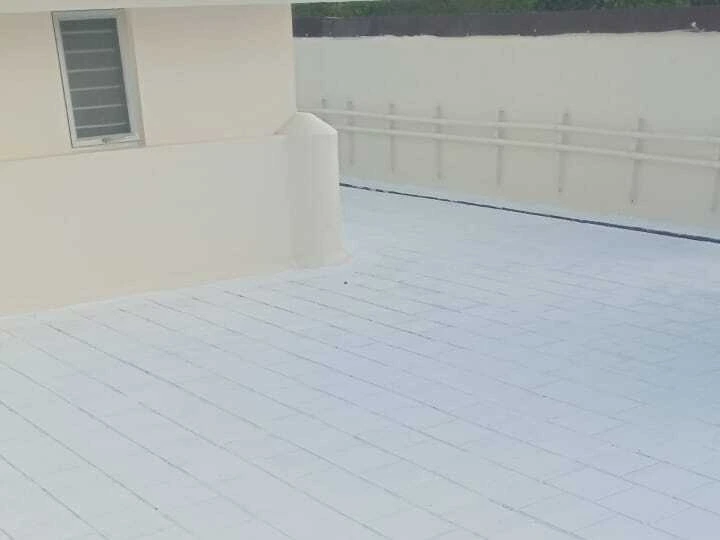
Painting of the Roof
The Results
At the Roof Surface
On 23 June 2026 under clear skies at solar noon, the unpainted reference section of the roof reached 66.7°C. The painted surface recorded 46.8°C, a reduction of nearly 20°C. The painted section recorded temperatures below 47°C throughout the day, while the unpainted surface exceeded 65°C during peak afternoon hours.
Roof surface temperatures on 23 June 2026, painted vs. unpainted sections of the same slab, measured by infrared thermal gun.
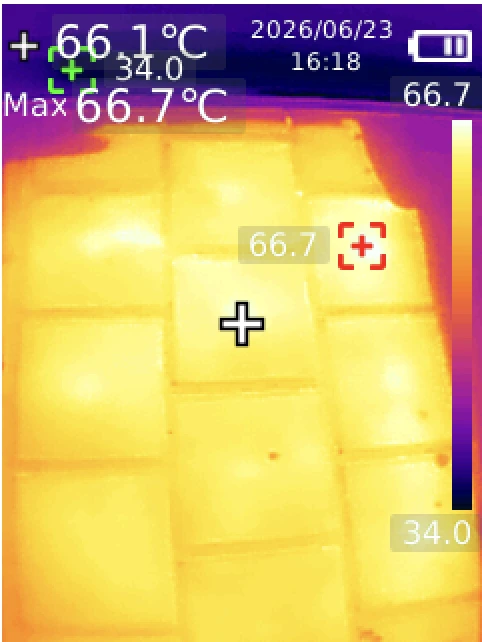
Unpainted reference section (Max = 66.7°C)
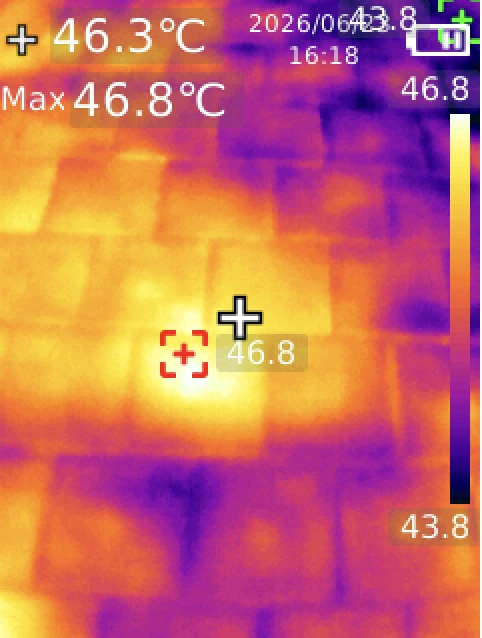
Painted section (Max = 46.8°C)
Indoors: Peak-Hour Performance
Outdoor temperatures rose by approximately 1.4°C between the pre-paint and post-paint monitoring periods due to normal seasonal warming. A raw before-and-after comparison of indoor readings would suggest little change, or even a slight worsening. To isolate the coating's actual contribution, indoor results were normalised against hourly outdoor conditions, so that seasonal background warming cancels out automatically. The improvements reported below represent the reduction in the gap between indoor and outdoor heat, not a comparison of raw indoor temperatures across two different weather periods.
Indoor Heat Index Improvement During Peak Sun Hours (11:00 to 17:00 IST)
Heat Index improvements are consistently larger than raw temperature improvements because the cooler slab reduces both direct heat conduction and indoor humidity accumulation simultaneously. For elderly residents with reduced thermoregulatory capacity, the perceived heat metric matters most.
Impact
A roof slab that reached 66.7°C now holds below 47°C through the hottest hours of the day. The rooms identified as Extreme Risk in the 2025 assessment now show peak-hour temperatures up to 1.09°C lower and "feels like" temperatures up to 2.22°C lower for their occupants. For residents over 70 with impaired thermoregulation, limited mobility, and no access to air conditioning, that reduction during peak afternoon hours is a direct and measurable gain in thermal safety.
The intervention costs a fraction of any active cooling alternative, takes one to two days to apply, requires no energy input, and needs no maintenance beyond periodic cleaning.
A follow-up monitoring cycle is planned for peak summer 2027 to assess the coating's performance after one year.